If you’re running a small business, you’ve got to think about more than just products and profits. Imagine this: your business is your prized ship, and insurance is the sturdy anchor keeping it safe in tumultuous seas. Without it, the risks can swamp you! In this guide, we’re diving into small business insurance – absolutely crucial for safeguarding your dreams and assets.
Backlinko-style insights coming your way: We’ll explore the insurance essentials that every small business owner should consider. From the common types available to the risks of going without, we’re covering it all. Ready to navigate through the insurance maze? Let’s make your small business fortress more resilient!





Introduction to Small Business Insurance
Did you know that 40% of small businesses never reopen after a disaster? It’s true. And it’s often because they lack the proper insurance coverage.
Small business insurance isn’t just a safety net. It’s your business’s lifeline. With the right policies, you safeguard your hard work against lawsuits, property damage, and even data breaches.
The Importance of Insurance for Small Businesses
Imagine pouring your heart, soul, and savings into your business, only to lose it all in a blink. Without proper insurance, that’s a real risk. Insurance protects you from unforeseen events that could cripple your business financially. It’s not just about ticking a box; it’s about securing your future.
Now, let’s talk specifics. There are several types of insurance policies tailored for small businesses. Each one designed to protect different aspects of your business operations.
Common Types of Insurance Policies
- General Liability Insurance: Protects against lawsuits over bodily injuries or property damage.
- Property Insurance: Covers damage to your business location and assets.
- Workers’ Compensation Insurance: Required by law in most states to protect your employees.
- Professional Liability Insurance: Shields your business from claims of negligence or misrepresentation.
Risks of Operating Without Insurance
Driving a car without brakes sounds insane, right? Operating a business without insurance is just as reckless. Small businesses face numerous risks, from natural disasters to cyber-attacks. Failing to have insurance is like skating on thin ice—one wrong move can cost you everything.
| Insurance Type | Coverage Features |
|---|---|
| General Liability | Covers legal costs and damages for injury or damage. |
| Property Insurance | Protects your building and content from risks like fire and theft. |
| Workers’ Compensation | Medical costs and lost wages for employees injured on the job. |
| Professional Liability | Defense against claims of errors or malpractice. |
Pro Tip: Evaluate your business’s unique risks first—there’s no one-size-fits-all insurance policy.
Types of Insurance for Small Businesses
Ever heard about a small business getting sued out of existence? It happens more often than you think. The right insurance isn’t just a safety net; it’s essential.
Let’s break down the top three types of insurance every small business should know about. These could be the difference between thriving and merely surviving.
General Liability Insurance: Your Business Armor
General Liability Insurance is the first line of defense for any small business. It covers bodily injury, property damage, and personal injury caused by your business operations or products. This type of insurance is your startup’s shield against lawsuits and claims.
- Benefits:
- Covers legal fees and settlements.
- Protects against accidents involving customers.
- Can cover reputational harm from advertising.
- Limitations:
- Does not cover employee injuries.
- Excludes professional errors.
- May not cover all industry-specific risks.
Professional Liability Insurance: Expert Error Coverage
Ever worried about making a mistake that could cost a client a fortune? Professional Liability Insurance is designed for businesses providing expert advice or services. It covers legal defense costs from claims of negligence or mistakes.
- Benefits:
- Protects against miscalculations and oversights.
- Covers legal costs for defending your professional services.
- Essential for consultants, lawyers, and accountants.
- Limitations:
- Doesn’t cover general liability or bodily injuries.
- May have industry-specific exclusions.
- Could be costly depending on the profession’s risk level.
Property Insurance: Protect Your Assets
Your office might be small, but even small equipment gets costly to replace. Property Insurance covers damage to your business property, including buildings and contents, due to events like fires or theft.
- Benefits:
- Replaces damaged or stolen equipment.
- Covers building repairs after events like fire or vandalism.
- Includes business interruption loss coverage.
- Limitations:
- Typically excludes flood and earthquake damage.
- May require separate riders for expensive equipment.
- Doesn’t cover liability claims.
Choosing the Right Insurance for Your Business
Here’s the deal: Different businesses have unique needs. Selecting the right insurance can save you tons of headaches down the line.
| Type of Business | Recommended Insurance |
|---|---|
| Service-Based | Professional Liability, General Liability |
| Retail or Brick & Mortar | Property Insurance, General Liability |
| Consultancy | Professional Liability, General Liability |
Pro Tip: Consider bundling different types of insurance into a Business Owner’s Policy (BOP) to save money and streamline your coverage.
Process of Acquiring Small Business Insurance
Did you know? Over 40% of small businesses don’t have insurance. That’s a huge risk that you can’t afford. Here’s how to protect your business step by step.
The process of acquiring small business insurance doesn’t have to be daunting. With the right approach, you’ll secure coverage that safeguards your assets, protects your staff, and ensures compliance with the law.
Step #1: Evaluate Your Insurance Needs
Before diving into policy options, it’s crucial to understand what you actually need. Are you a retailer worried about liabilities, or maybe a tech startup concerned with cybersecurity? Charting your specific business risks helps tailor the right insurance solution.
- List potential liabilities and assets.
- Consider industry-specific risks.
- Consult with an insurance advisor for personalized advice.
Step #2: Research and Compare Insurance Providers
Here is the deal: not all insurance providers are created equal. You need to scout for a reliable provider who understands your industry. Look for providers with strong ratings and a history of serving small businesses effectively.
- Check customer reviews and ratings on platforms like Trustpilot.
- Ensure the provider is licensed in your state.
- Request quotes from multiple providers for comparison.
Step #3: Customize Your Policy
Once you’ve chosen a provider, it’s time to customize your insurance policy to fit your specific business needs. Don’t just settle for generic packages.
Discuss with your provider how to adjust limits, remove unnecessary coverage, and add essential riders. This ensures you only pay for what you need.
Pro Tip: Always check if bundling policies could save you money!
Create a checklist of business needs and work through each item to see if it’s covered. An efficient policy means peace of mind.
Visual Flowchart to Simplify the Process
To make things even easier, visualize the insurance acquisition process with a straightforward flowchart. This will guide you through each step, ensuring you don’t miss a beat in acquiring the right coverage.
Costs and Factors Affecting Small Business Insurance

Did you know that the cost of small business insurance can vary by up to 30% based on your business type? Let’s dive into how the cost is calculated and what you can do to keep it in check.
The price tag on your small business insurance isn’t just a random number. It’s based on a cocktail of factors like your location, industry, and the size of your operation. But here’s the deal—understanding these factors can help you reduce costs.
Key Factors That Influence Insurance Costs
- Business Location: Operating in a high-risk area? Expect to pay more.
- Industry: A construction firm will have higher premiums than a consulting business, no surprises there.
- Size of Business: More employees or higher revenue can mean a higher cost, but it’s not always a bad thing.
The impact of these factors can be significant. For instance, a tech startup in San Francisco might pay more than one in Boise, even with similar revenue and headcount.
Cost-Saving Strategies for Small Business Insurance
Nobody wants to pay extra if they don’t have to, right? Here are a few strategies you can use to keep those insurance costs down.
- Bundle Policies: Combining policies like liability and property insurance can lead to discounts.
- Increase Deductibles: A higher deductible typically means lower premiums. Just be prepared for the upfront cost if you need to file a claim.
- Risk Management: Implement safety protocols and training. Insurers love that and might reward you with lower rates.
Pro Tip: Regularly review your insurance needs. As your business grows, adjust coverage to avoid overpaying.
Calculating Potential Insurance Costs for Your Business
Curious about how to project your insurance costs? Let’s break it down with a simple hypothetical example.
| Factor | Example Variable | Estimated Impact |
|---|---|---|
| Location | Urban Area | +15% |
| Industry | Tech Startup | -10% |
| Annual Revenue | $500,000 | Base Rate |
Using these factors, if the starting premium is $1,000, you could end up paying around $1,150 after accounting for location. Invest time in understanding these variables to control your costs effectively.
Recent Trends in Small Business Insurance
Did you know that nearly 40% of small businesses have no insurance at all? Yep, that’s a risky gamble. The way businesses approach insurance is changing faster than ever.
This shift means you need to stay updated with new trends to keep your business protected. From innovative policies to tech breakthroughs, there’s a lot to take in. Let’s dive into the latest trends changing the game.
Current Trends and Innovations
Insurance is more dynamic than ever. One major trend is the rise of customized insurance solutions. Pioneering companies now offer tailored packages that fit your unique business needs.
Wrap that with the fact that insurance premiums are increasingly being calculated using big data and AI. Companies are crunching numbers faster for more accurate pricing. It’s a win-win: you get fair rates, and insurers reduce risk.
Impact of Legislative Changes
Legislation is no longer just red tape; it’s a game-changer. Recent changes mean certain businesses require coverage that wasn’t needed before. For example, if you’ve been heavily relying on gig workers, some regions now mandate insurance for them too.
Here’s the deal: compliance isn’t optional. Missing out on updates can cost you big bucks in fines and legal fees. Stay informed, stay insured.
Technology’s Role in Insurance
Have you tried a chatbot that helped you file a claim? If not, get ready! Tech is revolutionizing insurance processes, making them faster and more efficient.
With blockchain and analogous tech, insurance companies are reducing fraud and errors. You’ve got AI-based risk assessment tools offering quick evaluations, speeding up what was once a laborious process.
Pro Tip: Embrace digital platforms for managing your policies. They save time and are incredibly user-friendly.
Comparing Traditional vs. Modern Insurance Approaches
Let’s compare the old school with the new cool. While traditional methods suit some, modern tactics are taking the lead.
| Traditional Approach | Modern Approach |
|---|---|
| One-size-fits-all policies | Tailored custom policies |
| Manual claims processing | AI-powered claims |
| In-person documentation | Paperless, digital documentation |
Illustrative Case Studies of Small Business Insurance
Most small businesses don’t realize the true power of insurance until it’s too late. Let’s dive into some real-world scenarios where insurance saved the day—or where a lack of insurance led to major setbacks.
These case studies will highlight both the successes and pitfalls, offering lessons you can apply to your own business. Ready to learn how small business insurance can make or break you?
How a Bakery Survived a Kitchen Fire
The Sugar Puff Bakery experienced every owner’s nightmare—a kitchen fire that could have wiped out their entire operation. With solid business insurance, they were able to claim $50,000 in damages to cover repairs and lost income during downtime. The bakery reopened in just over a month.
- Initial Challenge: Fire destroyed half of the kitchen equipment.
- Insurance Solution: Comprehensive policy covered equipment replacement and business interruptions.
- Outcome: The business bounced back quickly with little financial loss.
Pro Tip: “Always opt for business interruption insurance; it’s a game-changer when disasters strike.”
The Cost of Skipping Cyber Insurance
Imagine operating a small online retail shop and suddenly being hit by a hacking attack. That’s exactly what happened to Fashion Forward, a budding e-commerce site. Without cyber insurance, they faced $30,000 in damages and a destroyed reputation.
- Initial Challenge: Cyberattack led to customer data theft and website downtime.
- Lack of Insurance: No coverage meant paying for IT recovery and legal fees out-of-pocket.
- Outcome: Took months to regain customer trust and rebuild online infrastructure.
Don’t let this be your company’s story. Invest in cyber insurance before digital threats become a reality.
Lessons from a Retail Store Theft
Retail theft is a scourge that hits even the most vigilant businesses. For Jane’s Craft Supplies, a break-in was a financial disaster. BUT because they had theft insurance, they reclaimed losses of $15,000 worth of inventory.
- Initial Challenge: Thieves made off with valuable and seasonal inventory.
- Insurance Solution: Policy reimbursed the cost of lost goods.
- Outcome: Business contended with initial shock but resumed normal operations quickly.
Pro Tip: “Get to know policy limitations; some items may need additional coverage options.”
Summary
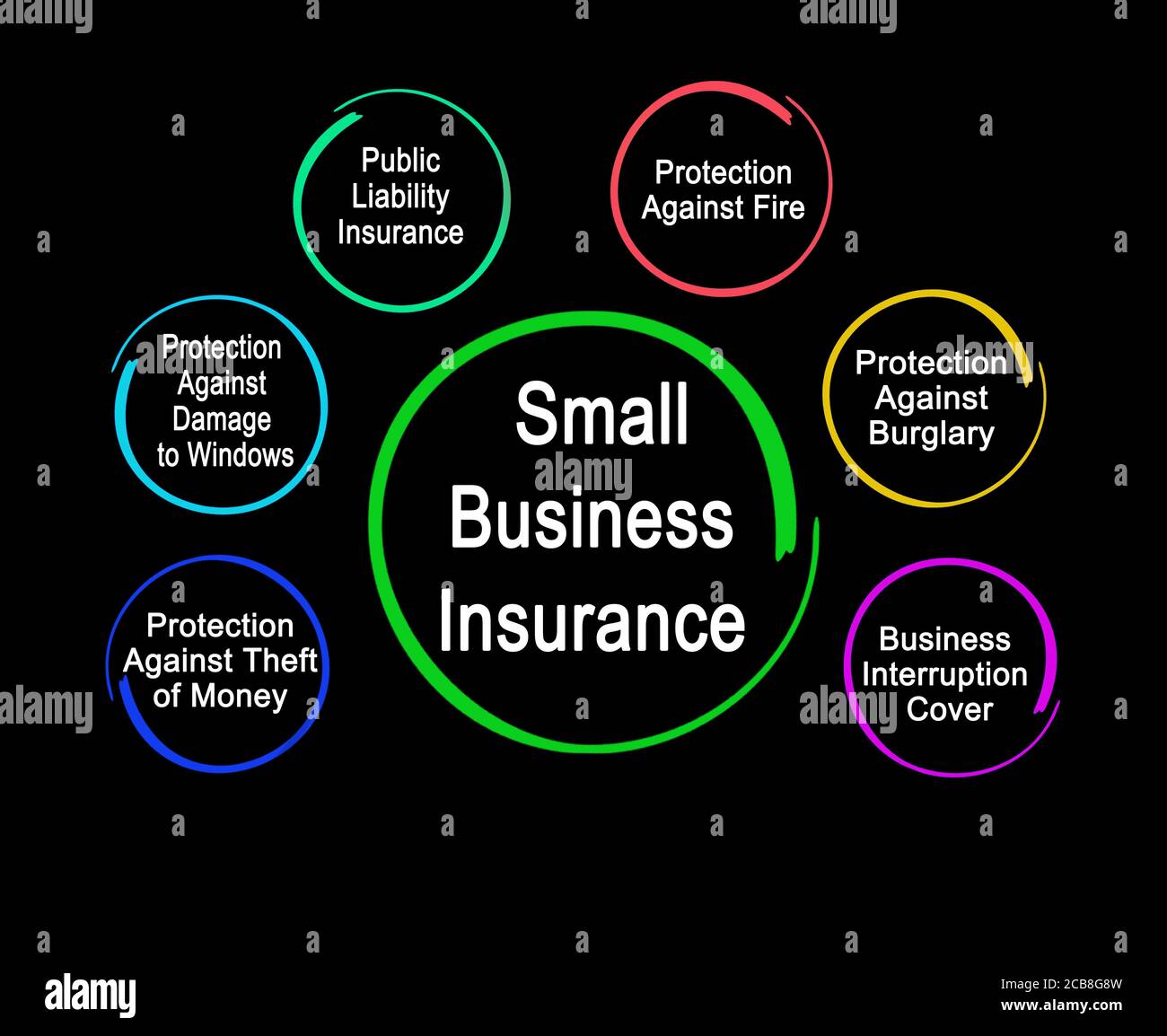
So, there you have it! The world of small business insurance isn’t just about ticking a box; it’s about building a safety net that can secure your company’s future. By understanding these essential insurance types, you are investing in peace of mind and sustainability. Remember, the right insurance coverage can be the difference between sinking and swimming when unexpected challenges arise.
FAQ Section
1. What are the most crucial types of insurance for small businesses?
The top three types of insurance crucial for small businesses are General Liability, Professional Liability, and Property Insurance.
2. How does General Liability Insurance protect my business?
General Liability Insurance protects you against claims of bodily injury or property damage caused by your business operations.
3. When is Professional Liability Insurance needed?
Professional Liability Insurance is necessary for businesses that provide expert advice or services, safeguarding against negligence claims.
4. Can I customize my insurance policies?
Yes, many insurance providers offer customizable options to better fit your business’s unique needs and risks.
5. How can I reduce my business insurance costs?
Implementing safety practices, maintaining a good claims record, and bundling policies can lead to cost savings on insurance premiums.